Commercial Roofing in Denver, CO
Business roofs need dependable service to stay protective, functional, and ready for daily demands.
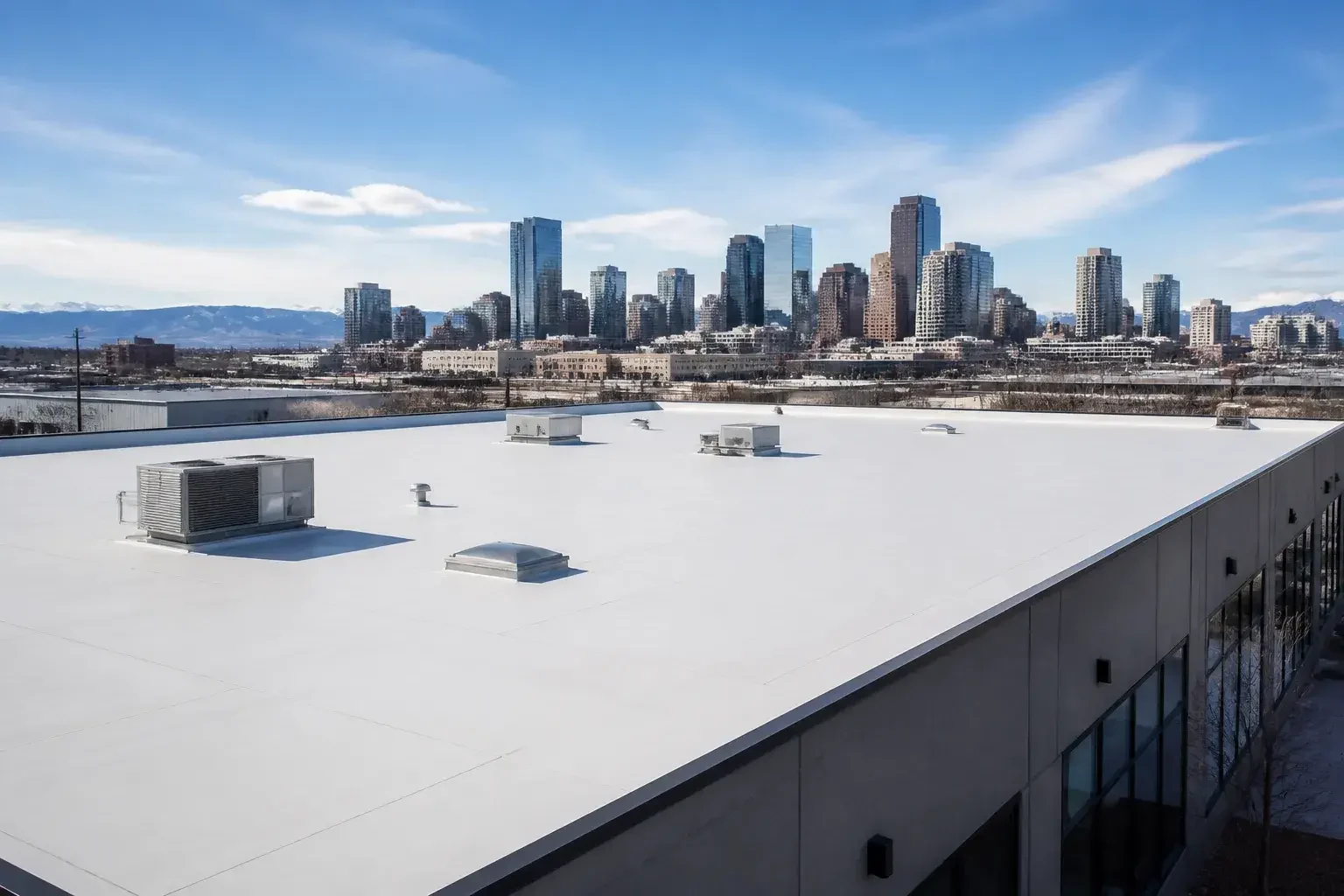
A commercial roof problem often starts small: a stain above a ceiling tile, a damp spot near a wall, or a patch that keeps coming back after rain. Then the signs get harder to ignore. Water can spread into insulation, seams can separate, and a minor issue can turn into wider damage if it keeps waiting for attention.
If your building is showing leaks, storm damage, loose flashing, or aging roof sections, the next step is a clear inspection and a practical repair plan. Ridgecrest Roofing Co helps property owners and managers in Denver get a straight answer about what is happening on the roof, what should be repaired, and when replacement makes more sense than repeated patching.
Warning signs
Commercial roofs usually give clues before they fail completely. Some are visible from the ground, while others show up inside the building after a storm or a heavy stretch of weather.
- Interior staining: Brown marks on ceilings or upper walls often point to moisture entering through a seam, flashings, or a damaged field section.
- Standing water: Puddles that stay on the roof after rain can speed up wear and put stress on weak areas.
- Loose edges or seams: Open laps, lifted edges, and separated joints can let water work under the roofing surface.
- Damaged flashing: Metal details around roof penetrations, parapet areas, and transitions can shift or loosen over time.
- Punctures or tears: Foot traffic, fallen debris, and storm impact can leave visible damage that needs attention before the next wet cycle.
If you are noticing one or more of these issues, it is worth scheduling a roof inspection before the problem spreads.
Common causes
Commercial roofing problems usually come from a mix of age, weather, and wear at the most vulnerable details. Knowing the likely source helps narrow the repair and avoid guesswork.
- Aging materials: Roofing surfaces naturally dry out, shrink, or crack over time, especially at seams and exposed edges.
- Storm impact: Hail, wind, and flying debris can damage shingles, membranes, or flashing in a way that is not always obvious right away.
- Poor drainage: Water that sits too long can weaken the roof surface and expose low spots that need correction.
- Repeated patching: Short-term fixes can help for a while, but stacked repairs sometimes hide bigger trouble underneath.
- Penetration wear: Vents, pipes, curbs, and other roof openings often fail before the rest of the roof does.
Ridgecrest Roofing Co looks at the whole roof condition, not just the obvious leak spot, so the repair matches the real cause.
What we inspect
A solid commercial roofing visit should do more than confirm that water is getting in. It should show where the damage starts, how far it reaches, and whether a repair or replacement is the better move.
Roof surface
We check for cracked, curled, lifted, or missing sections, along with soft spots or surface wear that may not be visible from inside the building.
Flashing and edges
We look closely at transitions, corners, metal details, and termination points because those areas often fail first.
Drainage areas
We review the places where water collects so the roof can be repaired with drainage in mind instead of covering the symptom only.
Storm damage
We look for impact marks, torn areas, and loosened components after hail or wind events so the condition is documented clearly.
Repair or replacement
Not every commercial roof problem calls for a full replacement. Some roofs can be brought back with targeted repairs, while others have reached the point where patching is no longer a practical long-term answer.
- Targeted repair: This works when the damage is limited to one area, such as a seam, flashing section, or small puncture.
- Multiple repairs: This may help if several issues are present, but the roof still has enough life left to justify spot work.
- Replacement: This becomes the better option when the roof has widespread wear, repeated leaks, or damage across large sections.
We explain what we see and why one path makes more sense than another, so you can decide with real information instead of a sales pitch.
Roof replacement process
When replacement is the right answer, the goal is to keep the work organized and the site as clean as possible. Ridgecrest Roofing Co handles commercial roof replacement with attention to the details that matter to building owners and managers.
- Evaluation: We confirm the existing roof condition and identify any trouble spots that need special attention during the work.
- Planning: We map out the replacement sequence so the project is handled in a controlled, efficient way.
- Removal and install: The old roofing is removed as needed, and the new roof is installed with attention to edges, transitions, and drainage points.
- Cleanup: We leave the job site clean and remove debris so the property is not left in a mess after the work is done.
A clean site matters on commercial properties because the roof is only part of the equation. The work area should be managed carefully from start to finish.
Storm damage help
Storm damage is one of the most common reasons commercial roofs need attention. Even when the building does not show an obvious leak right away, impact and wind can still compromise the roof surface or loosen key details.
Ridgecrest Roofing Co helps property owners understand what was damaged, what needs to be repaired, and how to move forward after hail or wind exposure. That often includes looking closely at shingles, flat roof sections, and flashing details so hidden problems do not get missed.
If your building has been through a storm and the roof has not been checked since, it is smart to get it looked at before small damage turns into interior repairs.
Working with us
Commercial roofing should feel clear, not confusing. We keep the process straightforward so you know what is happening at each step.
- One point of contact: You get direct communication about what we find and what should happen next.
- Clear scope: We explain the visible damage, the likely cause, and the recommended fix in plain language.
- Written warranty: Every job comes with a written workmanship warranty.
- Local crew: Our crews are local, licensed and insured, and they understand the needs of property owners across the Front Range.
Ridgecrest Roofing Co has served Denver and the Front Range since 2009, helping homeowners and property owners with roof replacement, storm and hail damage repair, roof inspections, and gutters. That experience helps us handle commercial roofing work with a practical approach and a focus on doing the job correctly.
Common questions
How do I know if my commercial roof needs repair?
Look for interior stains, visible lifting at seams, ponding water, or storm-related damage. If you are seeing changes after rain, an inspection is a smart next step.
Can a small leak be ignored for a while?
It usually should not be ignored, because small leaks often spread into insulation, decking, or adjacent areas before they become obvious.
What if the roof has been patched before?
That is common, but repeated patching can hide larger wear. A full inspection helps determine whether the current repairs are still holding up.
Do storm problems always show up right away?
No. Some damage is immediate, but other issues only become visible after more rain or after the roof has had time to shift.
Can you help if I need roof replacement instead of repair?
Yes. We review the roof condition and explain whether repair or replacement is the more practical option for the building.
What makes a commercial roof inspection useful?
A good inspection identifies the source of the problem, not just the spot where water appears inside the building.
Get started
If your building needs commercial roofing help in Denver, Ridgecrest Roofing Co can inspect the roof, explain what is going on, and handle the repair or replacement work that makes sense for the property. Whether you are dealing with leak repair, storm damage, shingle roofing, or flat roofing concerns, we are ready to help you move forward with a clear plan.
How We Work
A Simple Roofing Process
Every project starts with a careful inspection and a clear explanation of what your roof needs.
Inspect the Roof
We review the roof surface, flashing, and trouble spots before recommending work.
Review Your Options
You get a clear explanation of the condition and the choices that fit your situation.
Complete the Work
We finish the project carefully and leave the site clean.
FAQ
Common Roofing Questions
If you have a question about your roof, send us a message and we will help you understand the next step.
How do I know if my roof needs repair or replacement?
An inspection is the best place to start. We look at the roof condition and explain which option makes more sense.
Can you help with storm damage?
Yes, we handle storm damage repair and can assess what needs attention after hail or wind.
Do you work on both shingle and flat roofs?
Yes, we provide shingle roofing and flat roofing services for the right property type and roof system.
What if I just need a leak fixed?
Leak repair is a common service, and we can help locate the problem and address it before it spreads.
Do you serve areas outside Denver?
Yes, we serve several nearby cities across the Front Range, including Aurora, Lakewood, Arvada, and more.
Ready to Talk Roofing
Tell us what is happening with your roof, and we will help you plan the right next step for repair, replacement, or inspection.