Flat Roofing in Denver, CO
Flat roof wear can create ponding, seam issues, and recurring leak concerns.
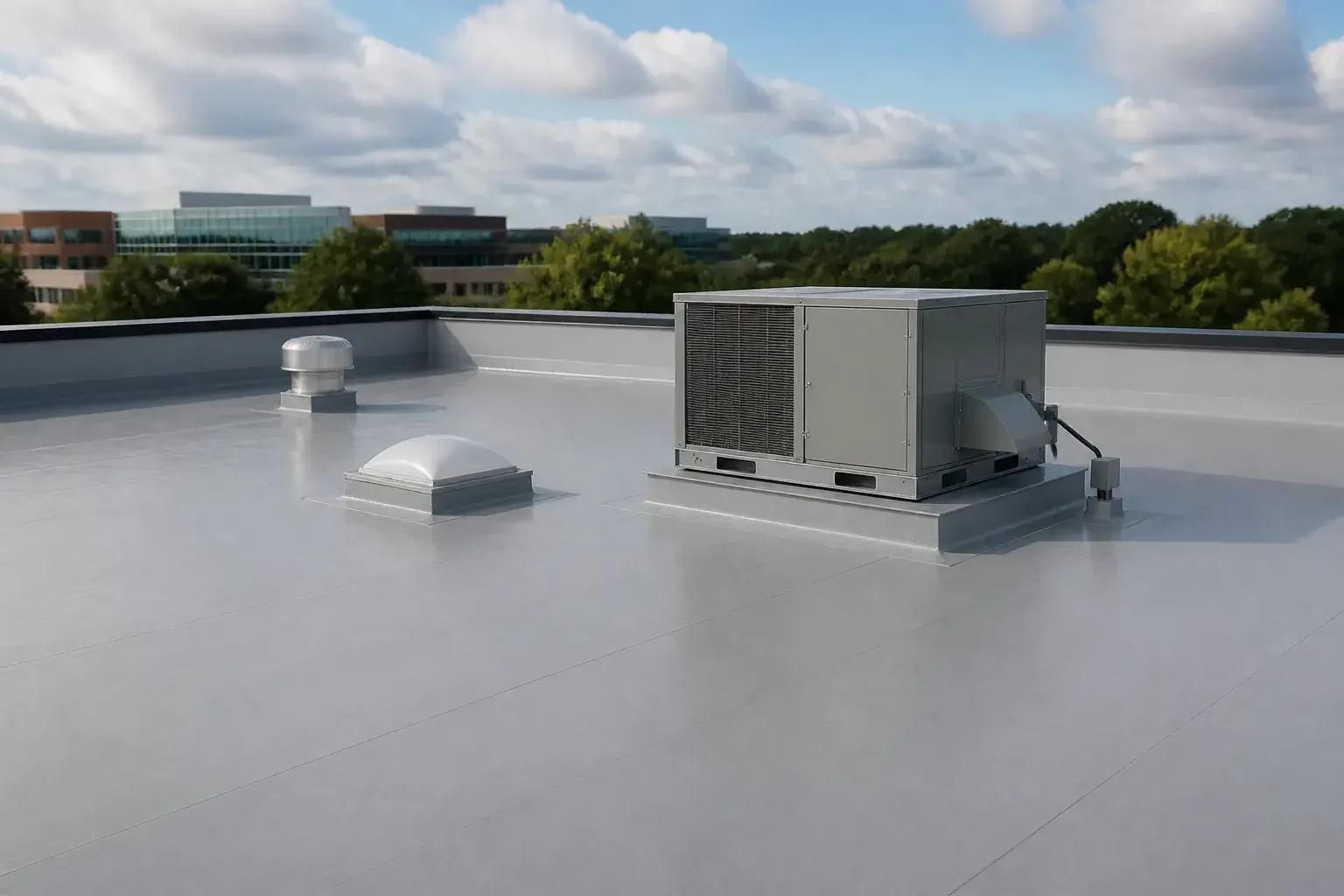
Flat roofing problems usually show up in small ways first. You may notice a damp ceiling spot, peeling paint near an upper wall, water pooling after a storm, or seams that look loose and tired. On a flat roof, even a minor opening can let water travel farther than you expect, so the right next step is getting the roof checked before the damage spreads.
If your roof has repeated leaks, soft areas underfoot, or patches that never seem to stay sealed, Ridgecrest Roofing Co can take a close look and explain what is going on. We handle flat roofing for homeowners in Denver, and we focus on practical fixes, clear repair options, and replacement work that is built around the condition of your roof, not a one-size-fits-all guess.
Warning signs
Flat roofs often give a few clues before they fail completely. Paying attention early can help you avoid larger interior damage and repeated patch jobs.
- Interior stains: Brown rings on ceilings or upper walls often point to a leak that has already moved through the roof assembly.
- Ponding water: Water that lingers after rain can stress seams, flashings, and low spots on the roof surface.
- Cracked seams: Open or brittle seam lines can allow water to work under the membrane and into the structure below.
- Blistering or bubbling: Raised areas may signal trapped moisture or aging roof material that is starting to separate.
- Soft spots: Areas that feel spongy or weakened can point to water damage beneath the surface.
If you are seeing more than one of these signs, the roof likely needs a closer look rather than another temporary patch.
Common causes
Flat roofing problems rarely come from just one issue. More often, they build up over time from normal wear, past repairs, or drainage trouble.
- Aging seams: Seam tape, adhesive, or welded joints can break down and open a path for water.
- Drainage issues: When water sits too long, it puts extra strain on low-slope areas and makes weak spots fail sooner.
- Flashing failure: Edges, walls, vents, and roof transitions are common leak points if the flashing is loose or deteriorated.
- Patch fatigue: Repeated repairs can hide the source for a while, but older patches may lift, shrink, or separate.
- Storm damage: Hail and wind can weaken surface materials and expose trouble that was already starting underneath.
Ridgecrest Roofing Co sees these conditions across flat roofing systems in Denver, and the first step is figuring out whether the roof needs a focused repair or a larger replacement plan.
Repair or replace
Not every flat roof issue means the whole roof is done. Sometimes one bad area can be corrected. Other times the roof is telling you that the underlying material has reached the point where repairs will only buy a little time.
When repair makes sense
A repair is often the right move when the damage is limited, the rest of the roof is still in good shape, and the leak source can be clearly identified. Common repair situations include a failed seam, a damaged flashing detail, or a small puncture that has not spread.
When replacement makes more sense
Replacement may be the better option when leaks keep returning in different places, the surface is worn across large sections, or the roof has multiple trouble spots that would require repeated patching. If the roof has widespread blistering, soft areas, or major drainage concerns, a new roof can be the cleaner long-term fix.
How we help you decide
We look at the visible damage, the age and condition of the system, and the pattern of leaks. Then we explain what we found in plain language so you can choose the next step with confidence.
Flat roof materials
Different flat roofing systems age in different ways, and the repair method has to match the material.
- Membrane systems: These roofs rely on sealed layers and joints, so we pay close attention to seams, edges, and penetrations.
- Low-slope coverings: Even roofs with a slight pitch need careful drainage planning because water can still sit in problem areas.
- Modified surfaces: These roofs can hold up well when maintained properly, but they still need professional attention when cracks or seam failures appear.
The material matters because the wrong repair can make the problem worse. Matching the fix to the existing roof helps the work hold up better and reduces the chance of repeat leaks.
What we look for
- Surface wear: We check for cracking, thinning, punctures, and open seams.
- Drainage flow: We look at where water moves, where it lingers, and whether the roof has spots that keep collecting moisture.
- Leak paths: We trace the damage from the inside out so we are not just covering the stain that is easiest to see.
How visits work
A good flat roof visit should leave you with a clear answer, not more questions. Ridgecrest Roofing Co keeps the process straightforward.
- Roof review: We inspect the visible roof areas and the trouble spots you have noticed.
- Problem tracing: We look for the source of the leak instead of only treating the surface symptom.
- Repair or replacement discussion: We explain the condition of the roof and outline the practical options.
- Written scope: If you move forward, you get a written plan for the work to be completed.
- Clean finish: We complete the job and leave the site tidy when the work is done.
Homeowners appreciate knowing what is happening at each step, especially when the leak has already caused stress inside the home. If you are comparing options for flat roofing in Denver, this process helps you make a decision based on the actual condition of the roof.
Storm and leak issues
Flat roofs can hide damage longer than steep roofs, which makes storm-related problems easy to miss at first. After heavy weather, look for new stains, loose material, visible dents, or areas where water suddenly starts collecting.
A roof that looked fine from the ground can still have a broken seam or damaged flashing that only shows up when water gets into the system. That is why a leak should never be treated as a single isolated spot until the roof has been checked carefully. Ridgecrest Roofing Co helps homeowners in Denver sort out whether the issue is a simple failure point or a sign of broader roof damage.
If your roof was already aging before the storm, weather can push it over the edge. In those cases, a repair may still be possible, but only after the damaged sections are properly identified.
Why homeowners call
People usually reach out when a flat roof starts causing interruptions inside the house. They want the leak stopped, but they also want a clear explanation of what caused it and what should happen next.
Common reasons to call:
- Repeated ceiling stains: A leak that keeps returning usually points to an unresolved roof issue.
- Visible surface damage: Cracks, bubbles, or worn seams mean the roof needs more than a quick glance.
- Concern after weather: If the roof changed after a storm, it is worth checking before the damage spreads.
- Planning ahead: If a roof has several weak spots, it helps to understand whether repair or replacement is the better path.
We work with homeowners who want direct answers and careful workmanship. Ridgecrest Roofing Co has served the area since 2009, and that experience shows up in how we diagnose the problem, explain the options, and complete the work.
Common questions
How long does a flat roof repair usually take?
The time depends on the size of the damaged area and how much hidden deterioration we find after opening up the problem spot.
What causes repeated leaks on a flat roof?
Repeated leaks usually come from seam failure, flashing problems, ponding water, or damage that was not fully corrected during an earlier repair.
Can a small crack cause major damage?
Yes. A small opening can let water travel under the roof surface and affect insulation, framing, or interior finishes before it becomes obvious.
What if the roof only leaks in certain weather?
That often means the leak is tied to wind-driven rain, a specific seam, or a low spot where water builds up under the right conditions.
Do flat roofs need a different repair approach than steep roofs?
Yes. Flat roofs depend more on sealed joints, drainage control, and careful flashing work, so the repair method has to match the system.
What should I do before calling for help?
Note where the leak appears inside, when it happens, and whether you have noticed any surface changes on the roof, since those details can help narrow down the cause.
If you need flat roofing help in Denver, Ridgecrest Roofing Co can evaluate the roof, explain the damage, and handle the next step with a clean worksite and a written workmanship warranty.
How We Work
A Simple Roofing Process
Every project starts with a careful inspection and a clear explanation of what your roof needs.
Inspect the Roof
We review the roof surface, flashing, and trouble spots before recommending work.
Review Your Options
You get a clear explanation of the condition and the choices that fit your situation.
Complete the Work
We finish the project carefully and leave the site clean.
FAQ
Common Roofing Questions
If you have a question about your roof, send us a message and we will help you understand the next step.
How do I know if my roof needs repair or replacement?
An inspection is the best place to start. We look at the roof condition and explain which option makes more sense.
Can you help with storm damage?
Yes, we handle storm damage repair and can assess what needs attention after hail or wind.
Do you work on both shingle and flat roofs?
Yes, we provide shingle roofing and flat roofing services for the right property type and roof system.
What if I just need a leak fixed?
Leak repair is a common service, and we can help locate the problem and address it before it spreads.
Do you serve areas outside Denver?
Yes, we serve several nearby cities across the Front Range, including Aurora, Lakewood, Arvada, and more.
Ready to Talk Roofing
Tell us what is happening with your roof, and we will help you plan the right next step for repair, replacement, or inspection.