Shingle Roofing in Denver, CO
Missing or worn shingles can leave your roof looking rough and performing poorly.
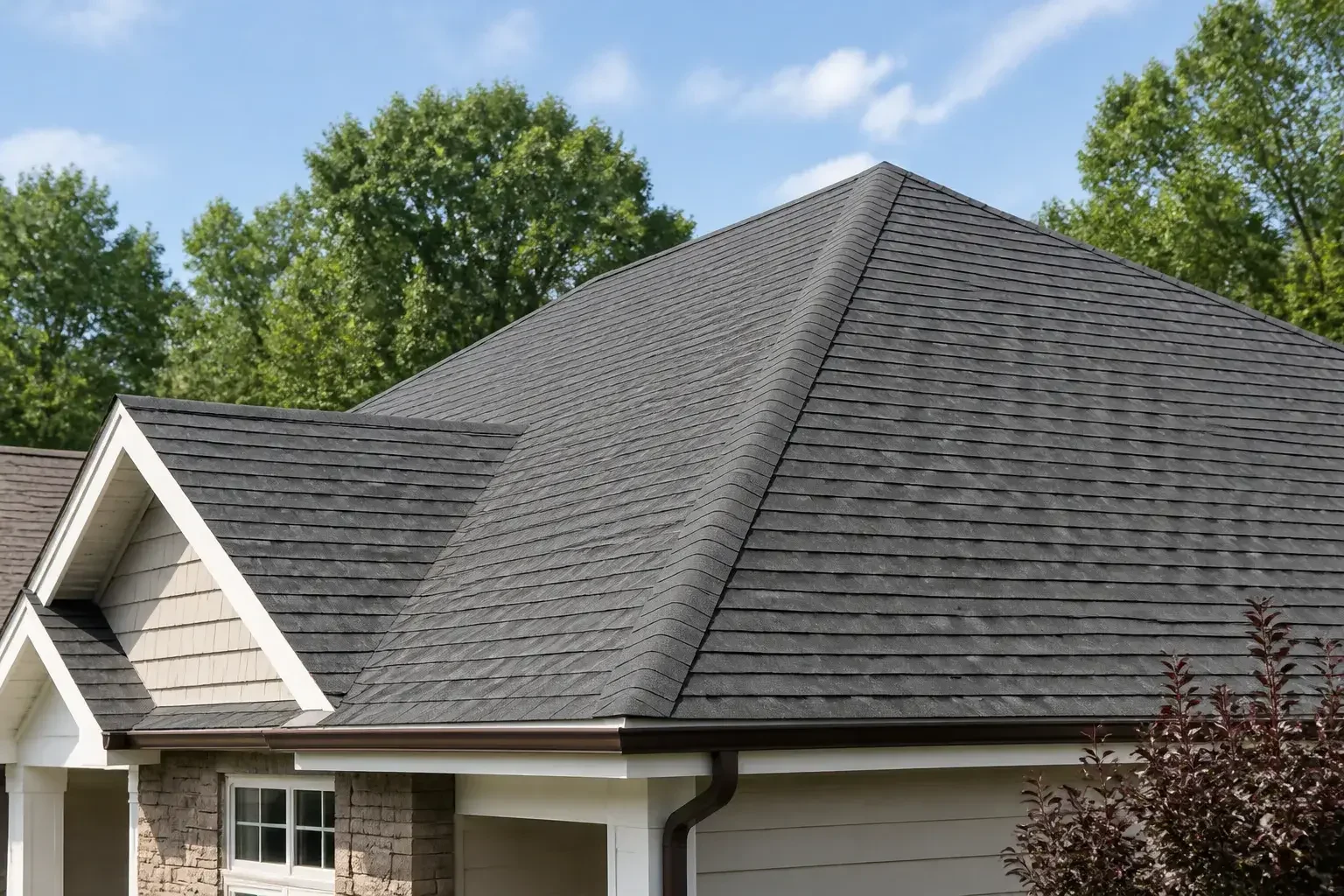
Your shingles should lie flat, shed water, and stay put through changing weather. When they start curling, cracking, missing granules, or lifting at the edges, water can work its way into the roof layers long before a stain shows up inside. If you are seeing loose tabs, dark patches, or shingles scattered in the yard, it is time to have the roof looked at before a small issue turns into more widespread damage.
Ridgecrest Roofing Co helps homeowners with shingle roofing across Denver and the Front Range. We handle roof repair and roof replacement for asphalt shingle roofs, along with storm and hail damage repair, roof inspections, gutter work, and insurance claim help when needed. Our crews are local, licensed and insured, and every job includes a written workmanship warranty plus a clean job site when the work is done.
Signs your shingles need attention
Shingle problems are not always dramatic. In many cases, the roof is telling you what it needs through small changes that are easy to miss from the ground. Catching them early can keep the repair simpler and help you avoid water intrusion.
- Curling edges: Shingles that curl upward or downward often no longer seal tightly, which can leave the roof vulnerable to wind and moisture.
- Missing shingles: Bare patches after wind or hail can expose the underlayment and make the roof more likely to leak.
- Granules in gutters: Dark, sand-like granules washed down from shingles usually mean the surface is wearing out.
- Soft spots or sagging: Areas that feel uneven may point to damage beneath the shingles that should be checked right away.
- Interior stains: Brown marks on ceilings or walls can mean water is already making its way through the roof system.
If you notice one or more of these issues, the next step is a close inspection, not guesswork from the ground.
Repair or replace
Not every shingle issue calls for a full replacement. The right fix depends on how widespread the damage is, how old the roof is, and whether the problem is limited to one section or spread across multiple slopes.
- Spot repair: This works when damage is limited to a small area, such as a few missing or cracked shingles.
- Section repair: This is a good option when a larger portion of the roof has visible wear but the rest of the roof is still in workable condition.
- Full replacement: This is often the better choice when shingles are nearing the end of their useful life or damage is too widespread for a lasting repair.
A careful roof evaluation helps determine which path makes sense. Ridgecrest Roofing Co will look at the surface condition, flashing, vulnerable transitions, and any related damage before recommending a plan.
What causes damage
Shingle roofs can fail for different reasons, and the visible problem is not always the original cause. Understanding what started the issue helps make sure the fix addresses more than the obvious symptom.
- Wind uplift: Strong gusts can loosen shingle tabs, break seals, or tear shingles away completely.
- Hail impact: Hail can bruise or fracture shingles, shorten their service life, and leave damage that is not obvious at first glance.
- Age and wear: Over time, shingles dry out, lose protective granules, and become more brittle.
- Poor drainage: When gutters or roof edges do not shed water well, moisture can linger where it should not.
- Past patchwork: Quick fixes done without a full assessment may hide the real problem and allow leaks to return.
Because roof damage often starts small, the best approach is to check the whole area around the trouble spot, not just the one shingle you can see from below.
Our approach
Ridgecrest Roofing Co keeps the process straightforward so you know what is happening on your roof and why. We focus on clean work, clear communication, and shingle solutions that fit the condition of the roof.
Inspection and findings
We begin by looking at the shingles, edges, valleys, flashing, and other exposed areas that can reveal the source of the issue. If there is a leak, we look for the entry point and the path water may be taking through the roof structure.
Clear recommendations
After the inspection, we explain whether the roof needs a repair, a replacement, or further attention in a specific area. You get practical guidance rather than a vague explanation.
Work and cleanup
Our crews complete the work with care for your property and job site. That includes keeping the area tidy and removing debris when the project is finished.
Materials and styles
Shingle roofing is popular because it offers a familiar look and flexible repair options. It also comes with choices that affect both appearance and performance, so it helps to know what you are looking at before you commit to a new roof.
- Asphalt shingles: These are the most common choice for many homes and can be a practical fit for full replacement or section work.
- Architectural shingles: These have a thicker, layered look that many homeowners prefer for added visual depth.
- Color matching: If only part of the roof needs repair, we work to match the existing shingle style as closely as possible.
- Ventilation and edges: A good shingle roof is not just about the visible surface. The surrounding details matter for how well the roof sheds water and handles heat.
If your existing shingles are still serviceable, a targeted repair may be enough. If the roof is aging across the board, replacement can be the more practical long-term choice.
Storm and hail damage
Storm damage is one of the most common reasons homeowners call about shingles. After a storm, damage may be visible from the driveway, but it can also hide in places that are harder to spot without a close look.
- Lifting shingles: Wind can break the seal and leave edges open to rain.
- Bruised surfaces: Hail can weaken shingles even when they do not break apart right away.
- Scattered debris: Loose pieces, fallen granules, or shingles on the ground can point to roof impact.
- New leaks: A stain or drip after a storm can mean the roof needs immediate attention.
If you are dealing with storm-related damage in Denver, a roof inspection can help document what happened and determine whether the shingles can be repaired or need replacement.
What to expect
A roofing project should not feel like a mystery. When you call Ridgecrest Roofing Co, the goal is to make the next steps easy to follow and the work predictable from start to finish.
Before work starts
We look over the roof, discuss the problem area, and explain what we found in plain language. If the job involves replacing shingles, we review the scope so you understand what will be addressed.
During the project
Our crew works on the roof with attention to the surrounding property. We aim to keep the site organized and limit unnecessary disruption while the work is underway.
After the project
Once the work is complete, we clean the area and review the finished roof so you know what was done. You are not left wondering whether the job was wrapped up properly.
Common questions
How do I know if my roof needs shingle repair or replacement?
If the damage is limited to one area, repair may be enough. If the shingles are widely worn, brittle, or repeatedly failing, replacement is usually the more practical choice.
Can one missing shingle really matter?
Yes, because one open spot can expose the layers beneath it and let water or wind reach parts of the roof that should stay protected.
What should I look for after hail?
Check for visible dents, loose shingles, granules in gutters, and any new stains inside the house. Even small hail damage can weaken a roof.
Do shingle roofs need an inspection after a storm?
Yes, especially if you saw strong wind, hail, or debris on the ground. A close look can catch damage before it turns into a leak.
Can damaged shingles be matched to the existing roof?
Sometimes. Matching depends on the age, color, and availability of the existing shingles, and we will explain the options if repairs are possible.
What areas do you serve for shingle roofing?
We serve homeowners in Denver and nearby communities across the Front Range, including Aurora, Lakewood, Arvada, Westminster, Thornton, Englewood, Centennial, and Littleton.
Get help now
If your shingles are curling, missing, cracked, or showing signs of storm damage, do not wait for the next rain to find out what is happening under the surface. Ridgecrest Roofing Co can inspect the roof, explain the condition in practical terms, and handle the repair or replacement work needed to move forward with confidence.
How We Work
A Simple Roofing Process
Every project starts with a careful inspection and a clear explanation of what your roof needs.
Inspect the Roof
We review the roof surface, flashing, and trouble spots before recommending work.
Review Your Options
You get a clear explanation of the condition and the choices that fit your situation.
Complete the Work
We finish the project carefully and leave the site clean.
FAQ
Common Roofing Questions
If you have a question about your roof, send us a message and we will help you understand the next step.
How do I know if my roof needs repair or replacement?
An inspection is the best place to start. We look at the roof condition and explain which option makes more sense.
Can you help with storm damage?
Yes, we handle storm damage repair and can assess what needs attention after hail or wind.
Do you work on both shingle and flat roofs?
Yes, we provide shingle roofing and flat roofing services for the right property type and roof system.
What if I just need a leak fixed?
Leak repair is a common service, and we can help locate the problem and address it before it spreads.
Do you serve areas outside Denver?
Yes, we serve several nearby cities across the Front Range, including Aurora, Lakewood, Arvada, and more.
Ready to Talk Roofing
Tell us what is happening with your roof, and we will help you plan the right next step for repair, replacement, or inspection.