Storm Damage Repair in Denver, CO
Hail and wind can damage roofing materials, flashing, and other key parts of the roof.
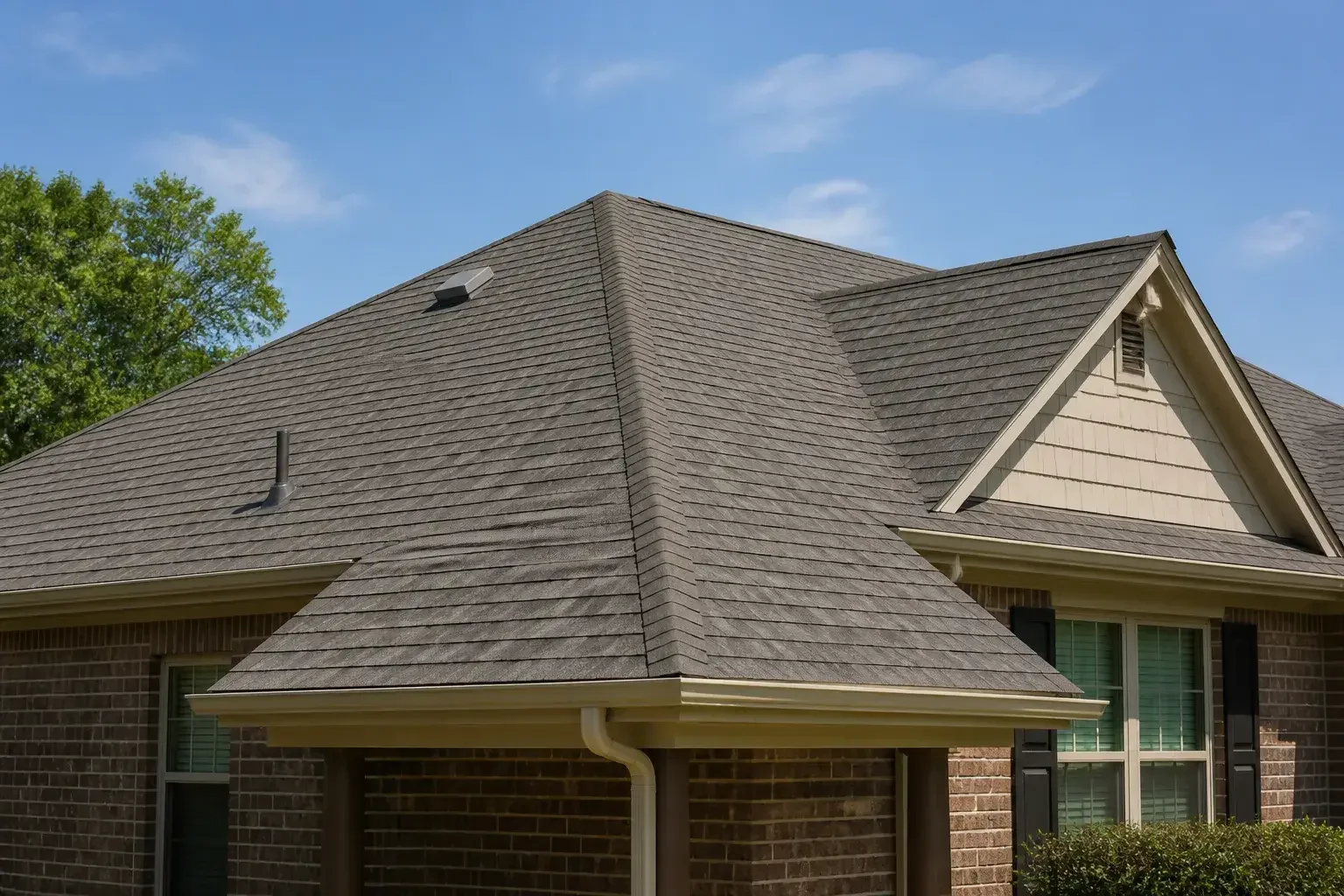
After a storm, the roof may look fine from the ground and still have problems that show up later. Missing shingles, dents, soft spots, ceiling stains, and new leaks often mean the damage is already letting water in.
If you are seeing granules in gutters, lifted edges on shingles, or water marks after a heavy storm, the next step is to get the roof checked and repaired before the problem spreads. Ridgecrest Roofing Co helps homeowners in Denver with storm and hail damage repair, from the first inspection to the final cleanup.
Warning signs
Storm damage is not always dramatic. Sometimes the roof still looks orderly, but key materials have been weakened or torn loose. Catching those clues early can help you avoid bigger repairs later.
- Missing shingles: Bare patches expose the layers underneath and can let water move under the roof covering.
- Lifted edges: Shingles that curl, crease, or flap in the wind are often loosened enough to fail in the next storm.
- Dented surfaces: Hail strikes can bruise shingles and reduce how well they shed water.
- Interior stains: Water spots on ceilings or upper walls often point to a roof opening that needs attention.
- Debris in gutters: Shingle grit, broken tabs, and granules can be a sign the roof took a hit.
If you notice one or more of these issues, it is worth scheduling a roof inspection before the damage spreads into decking, underlayment, or attic areas.
Common storm damage
Storms can affect a roof in a few different ways, and each one calls for a different repair approach. Some damage is obvious from the street, while other issues only show up once someone gets on the roof.
Wind damage
Strong winds can loosen shingles, lift flashing, and pull materials out of place. Even a small lifted area can become a leak path when the next weather system arrives.
Hail impact
Hail can bruise shingles, crack exposed materials, and knock off protective granules. That kind of impact may not leak right away, but it can shorten the roof's useful life and make future leaks more likely.
Water intrusion
When the outer layer is compromised, water can slip into the roofing system and show up inside the home. By the time stains appear, the damaged area may be larger than it first seemed.
Gutter damage
Storms can also loosen gutters or fill them with debris. When water cannot drain properly, it may back up along the roof edge and add stress to already damaged sections.
How we repair
Ridgecrest Roofing Co handles storm damage repair with a straightforward process that focuses on the cause, not just the visible symptom. We want the repair to match the actual damage pattern so you are not dealing with the same issue again after the next storm.
- Roof check: We look for missing materials, impact marks, lifted edges, and other signs of storm-related failure.
- Damage mapping: We identify which sections need repair and which areas should be monitored more closely.
- Repair plan: We explain the needed work in plain language so you know what will be restored and why.
- Targeted repairs: We replace damaged shingles, correct loose sections, and address problem spots tied to leaks.
- Cleanup: We leave the site tidy and remove debris related to the repair work.
If the storm also caused leaks, we address those problem areas as part of the repair so water does not keep entering the home.
Insurance help
Storm damage can be stressful because the roof problem is often tied to an insurance claim. We help homeowners document the condition of the roof so they can move through the claim process with more clarity.
That support can include photos of visible damage, a clear description of affected areas, and repair details that match what was found on the roof. Having organized information makes it easier to talk through the claim with your carrier and understand what needs to be restored.
If your roof was damaged in Denver or nearby, it helps to act quickly. Fresh damage is easier to document, and a timely repair can prevent the problem from growing while you wait for the next step.
What homeowners notice
Many homeowners call after they have already seen interior symptoms, but the roof often gives earlier clues. Knowing what to watch for can help you respond sooner.
- Dripping after rain: Water entering only during certain storms often points to a lifted or broken section.
- New attic dampness: Moisture in the attic can show that the roof covering has been breached.
- Shingle pieces on the ground: Broken tabs or fragments around the house are often linked to wind or hail.
- Uneven roof lines: A section that looks different after a storm may have loose or missing materials.
- Repeated leaks in one spot: Ongoing leak patterns usually mean the source has not been fully corrected.
A storm-related issue can start small and still lead to major interior damage if it is left alone. That is why a prompt roof inspection matters even when the outside damage seems minor.
Why timely repair matters
A roof that has already been hit by a storm is more vulnerable to the next round of weather. Small openings can widen, wet materials can deteriorate, and the repair area can become more expensive to address if it is delayed.
Timely storm damage repair helps:
- Protect the structure: Less water reaches decking, insulation, and the spaces below the roof.
- Limit repeat leaks: A repaired weak point is less likely to fail the next time it rains or hails.
- Keep damage contained: Addressing the problem early often prevents a repair from turning into a larger replacement need.
- Restore confidence: You know the roof has been checked, documented, and brought back into working condition.
Ridgecrest Roofing Co has served homeowners across the Front Range since 2009, and we understand that storm damage needs a practical fix, not a vague promise.
Local service area
We help homeowners throughout Denver and nearby communities including Aurora, Lakewood, Arvada, Westminster, Thornton, Englewood, Centennial, and Littleton. If your home was hit by hail or wind, we can inspect the roof and recommend the next step based on the damage we find.
For many homeowners, the hard part is not noticing that something is wrong. It is figuring out what to do next. That is where we come in. We look at the roof, explain the condition clearly, and handle the repairs needed to get it back in shape.
Common questions
How do I know if the roof damage is serious?
If shingles are missing, the roof is leaking, or you see dents and lifted edges after a storm, the damage should be checked right away. Small visible signs can point to larger hidden problems.
Can storm damage show up days later?
Yes. Some issues do not show themselves until the next rain or until materials dry and shift. A roof that seemed fine right after a storm can still have hidden damage.
Do I need to wait until I see a leak?
No. Waiting for a leak can allow water to spread into other parts of the roof structure. It is better to have the roof looked at as soon as storm damage is suspected.
What parts of the roof are usually affected first?
Shingles, flashing, ridge areas, and roof edges often take the most direct impact. Those are the areas most likely to show signs of wind or hail damage.
Can a small repair still matter?
Yes. A small repair can stop water intrusion and prevent the damaged area from expanding. Even a minor lift or crack can become a bigger issue in the next storm.
What should I do before the roof is repaired?
Avoid climbing on the roof yourself and keep an eye on interior areas for new stains or dripping. If possible, note when you first noticed the issue and where it appears inside the home.
How We Work
A Simple Roofing Process
Every project starts with a careful inspection and a clear explanation of what your roof needs.
Inspect the Roof
We review the roof surface, flashing, and trouble spots before recommending work.
Review Your Options
You get a clear explanation of the condition and the choices that fit your situation.
Complete the Work
We finish the project carefully and leave the site clean.
FAQ
Common Roofing Questions
If you have a question about your roof, send us a message and we will help you understand the next step.
How do I know if my roof needs repair or replacement?
An inspection is the best place to start. We look at the roof condition and explain which option makes more sense.
Can you help with storm damage?
Yes, we handle storm damage repair and can assess what needs attention after hail or wind.
Do you work on both shingle and flat roofs?
Yes, we provide shingle roofing and flat roofing services for the right property type and roof system.
What if I just need a leak fixed?
Leak repair is a common service, and we can help locate the problem and address it before it spreads.
Do you serve areas outside Denver?
Yes, we serve several nearby cities across the Front Range, including Aurora, Lakewood, Arvada, and more.

Ready to Talk Roofing
Tell us what is happening with your roof, and we will help you plan the right next step for repair, replacement, or inspection.