Roof Inspection in Denver, CO
Unclear roof damage and hidden wear become easier to understand after a careful inspection.
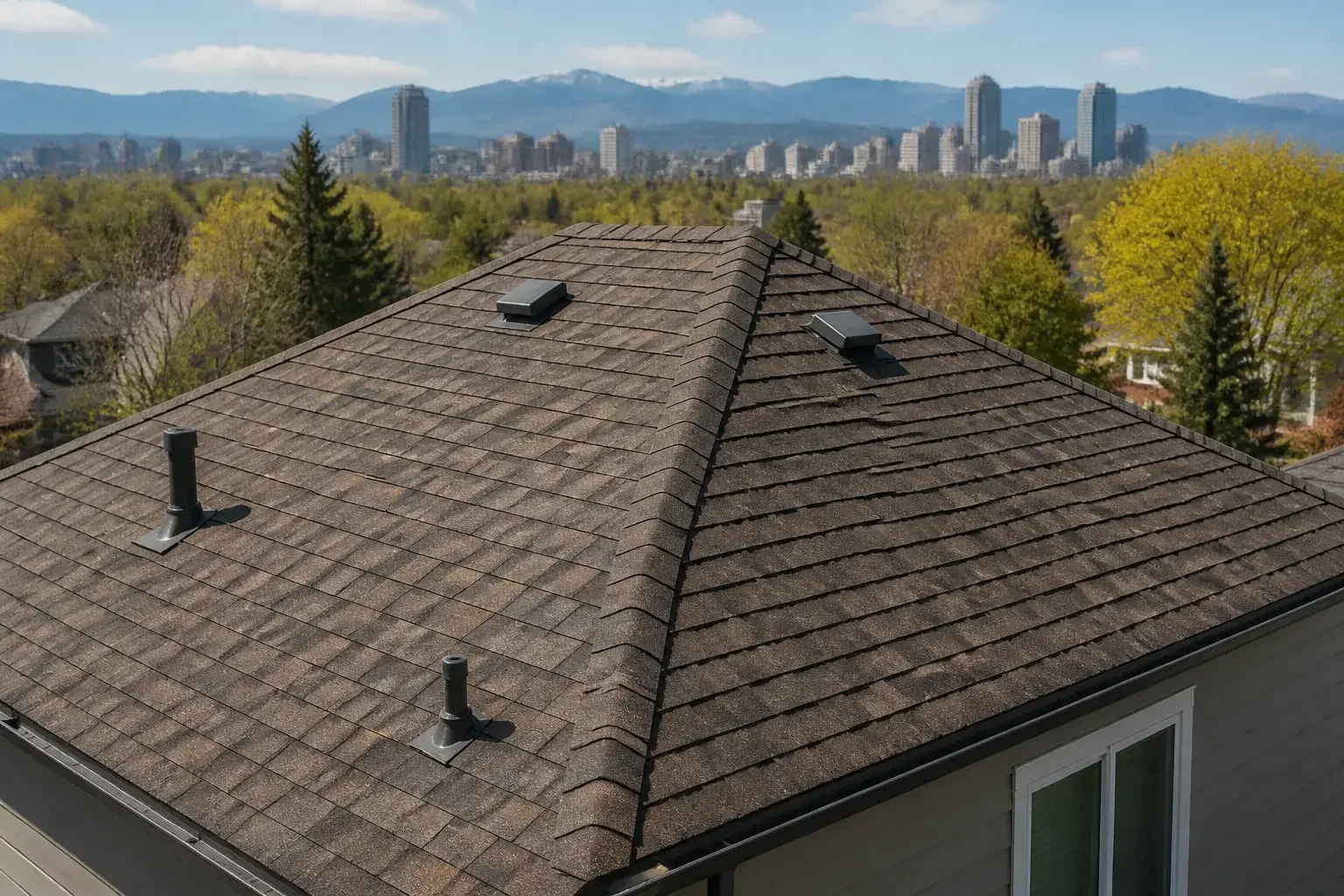
If you have noticed ceiling stains, missing shingles, granules in the gutters, or a roof that looks uneven from the street, it is time to have it checked. Small issues often stay hidden until a leak shows up inside, and by then the repair can be more involved than expected.
A roof inspection gives you a clear picture of what is happening on top of your home before the next storm or cold snap makes it worse. Ridgecrest Roofing Co provides roof inspections for homeowners in Denver and across the Front Range, so you can understand the condition of your roof and decide on the next step with confidence.
Warning signs
A roof does not always fail in one dramatic moment. More often, it gives off clues that something needs attention.
- Water spots indoors: Stains on ceilings or upper walls can point to a leak that has already found a path inside.
- Shingle changes: Curling, cracking, missing, or lifted shingles often mean the roof cover is no longer protecting the home as it should.
- Debris in gutters: Shingle granules or roofing fragments in the gutters can signal aging materials or storm wear.
- Soft spots or sagging: Areas that look dipped, uneven, or soft underfoot may indicate more than surface damage.
- Recurring leaks: A roof that has been patched more than once may need a more complete inspection to find the real issue.
If you are seeing any of these signs, a closer look is the next practical move. Ridgecrest Roofing Co can inspect the roof and help you understand whether the issue is minor, localized, or spread across larger sections.
What we check
A proper inspection looks beyond the most visible shingles. We look at the areas where water is most likely to get in and the parts of the roof that often get overlooked.
- Shingle condition: We look for curling, cracking, missing shingles, and other wear that can weaken coverage.
- Flashing and edges: We check areas around chimneys, vents, skylights, valleys, and roof edges where leaks commonly start.
- Roof penetrations: We inspect the seals around pipes, vents, and other openings that break the roof surface.
- Drainage paths: We review how water is moving off the roof and whether buildup, debris, or damage could cause pooling.
- Visible storm damage: We look for hail marks, lifted sections, and other signs that the roof may have been impacted by recent weather.
- Interior clues: When needed, we take note of signs inside the home that can help connect a roof issue to what is happening outside.
The goal is not to guess. It is to identify what is happening, where it is happening, and what should come next.
How visits work
When you schedule a roof inspection with Ridgecrest Roofing Co, the process is straightforward and focused on giving you useful information.
1. Initial look
We start with a visual review of the roof and the problem areas you want checked. If you have noticed a leak, missing shingles, or storm damage, that becomes part of the inspection focus.
2. Close inspection
We examine the roof surface, flashing, transitions, and other vulnerable spots. This step helps separate surface wear from damage that needs repair.
3. Findings review
We explain what we found in plain language, so you are not left guessing about severity or next steps.
4. Next-step guidance
If the roof needs roof repair, leak repair, storm damage repair, or replacement planning, we will point you in the right direction based on the condition we see.
A good inspection should leave you with answers, not more confusion. That is especially helpful if you are comparing whether a problem can wait or needs attention now.
Common causes
Roofs usually do not start leaking for just one reason. Inspection often reveals a combination of age, wear, and exposed weak points.
- Weather exposure: Sun, wind, and seasonal storms gradually wear down roofing materials over time.
- Poor seal points: Flashing and sealant areas can fail before the rest of the roof shows obvious damage.
- Aging shingles: As shingles get older, they become more brittle and less able to shed water.
- Impact damage: Hail or flying debris can create damage that is hard to see from the ground.
- Blocked drainage: Debris buildup can keep water from flowing off the roof the way it should.
In Denver, homeowners often want to know whether a roof issue is isolated or a sign of broader wear. An inspection helps answer that by showing what is actually happening instead of relying on surface appearance alone.
After the inspection
Once the inspection is complete, the next step depends on what we find. Some roofs only need a focused roof repair. Others need a closer look at storm damage or leak repair before the problem spreads.
When repairs make sense
If the roof has a specific damaged section, targeted repair may be the practical choice. That can help stop active issues without changing the whole roof.
When replacement planning helps
If the roof shows widespread wear, repeated leaks, or several problem areas at once, replacement may be worth discussing. A solid inspection makes that decision easier because you can see the condition for yourself.
When insurance help may matter
If the inspection points to storm or hail damage, having clear findings can help you organize the next conversation with your insurance provider. Ridgecrest Roofing Co can help homeowners understand what was found and what the roof may need next.
The value of the inspection is clarity. It gives you a practical path forward, whether that means a repair, a follow-up step, or a larger project.
Why homeowners call
Homeowners schedule inspections for different reasons, but the goal is usually the same: avoid surprises.
- Before buying or selling: A roof inspection can uncover issues that might affect a transaction or a repair plan.
- After a storm: Even when damage is not obvious from the ground, it can still affect shingles, flashing, or seals.
- When leaks appear: A leak can start far from where water shows up inside, so inspection helps trace the source.
- For older roofs: As materials age, a roof may need closer attention to stay ahead of failures.
Ridgecrest Roofing Co has served homeowners in Denver and the Front Range since 2009, and we know how important it is to get straight answers about a roof before the problem grows.
Common questions
How often should a roof be inspected?
Many homeowners choose an inspection when they notice a change, after a major weather event, or before making a real estate decision. It is also smart to inspect a roof when it starts showing visible age or wear.
Can a roof have damage without leaking yet?
Yes. Some damage starts small and does not show up inside right away. Missing shingles, weakened flashing, or impact marks can all exist before a leak becomes visible.
What if the roof looks fine from the ground?
Ground-level views can miss lifted edges, flashing issues, and subtle storm damage. A roof can look acceptable from below while still having problem spots that need attention.
Do inspections help with storm-related concerns?
Yes. An inspection can identify signs of hail or wind damage and show whether the roof needs repair or a more detailed follow-up.
Will the inspection cover gutters too?
Gutters are often part of the overall roof drainage picture, and we may note issues that affect how water moves off the roof.
What should I do before the inspection?
You do not need to prepare much. If you have noticed leaks, stains, missing shingles, or recent storm concerns, it helps to point those out so we know what to focus on.
Schedule your inspection
If your roof has started showing warning signs, or you simply want a clear assessment before small issues grow, Ridgecrest Roofing Co is ready to help. A roof inspection can reveal hidden damage, explain what is wearing out, and give you a better sense of the next step.
Whether you are in Denver or nearby on the Front Range, we will inspect the roof carefully and give you straightforward findings you can use.
How We Work
A Simple Roofing Process
Every project starts with a careful inspection and a clear explanation of what your roof needs.
Inspect the Roof
We review the roof surface, flashing, and trouble spots before recommending work.
Review Your Options
You get a clear explanation of the condition and the choices that fit your situation.
Complete the Work
We finish the project carefully and leave the site clean.
FAQ
Common Roofing Questions
If you have a question about your roof, send us a message and we will help you understand the next step.
How do I know if my roof needs repair or replacement?
An inspection is the best place to start. We look at the roof condition and explain which option makes more sense.
Can you help with storm damage?
Yes, we handle storm damage repair and can assess what needs attention after hail or wind.
Do you work on both shingle and flat roofs?
Yes, we provide shingle roofing and flat roofing services for the right property type and roof system.
What if I just need a leak fixed?
Leak repair is a common service, and we can help locate the problem and address it before it spreads.
Do you serve areas outside Denver?
Yes, we serve several nearby cities across the Front Range, including Aurora, Lakewood, Arvada, and more.
Ready to Talk Roofing
Tell us what is happening with your roof, and we will help you plan the right next step for repair, replacement, or inspection.