Leak Repair in Denver, CO
Active leaks can spread water damage through ceilings, walls, and insulation.
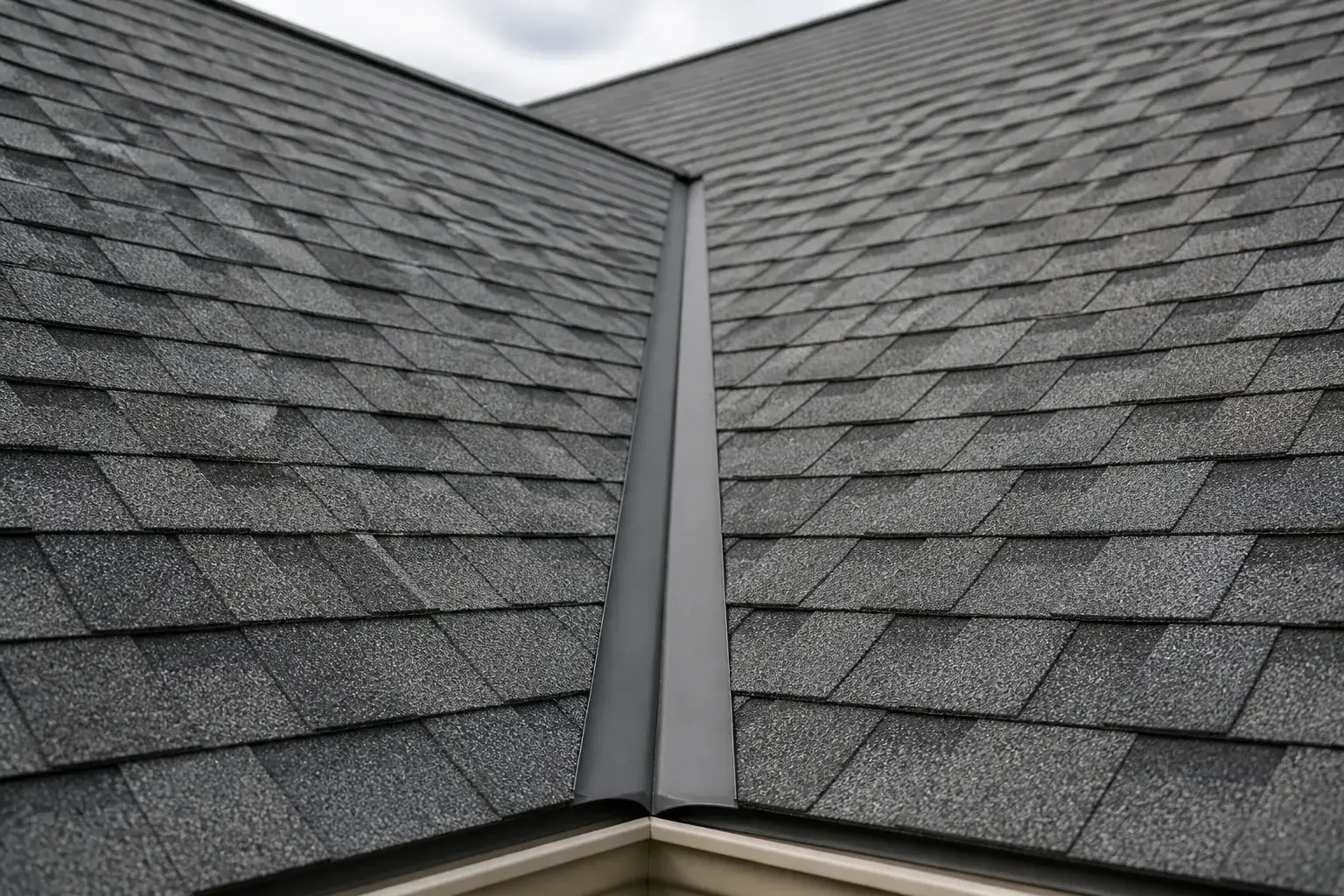
If you see a brown ceiling spot, a damp attic board, or paint bubbling near the top of a wall, your roof may be leaking. A leak does not always show up under the exact spot where water is getting in, which is why the problem can feel confusing and keep getting worse after each rain.
The next step is to have the leak traced and repaired before moisture travels farther into your home. Ridgecrest Roofing Co helps homeowners in Denver find the source, fix the damaged roofing materials, and check for related trouble so the same leak does not keep coming back.
Warning signs
A roof leak often starts with small clues that are easy to overlook until the damage is already visible. Some homeowners first notice a tiny stain and assume it is old, while others only realize there is a problem when they hear dripping or see moisture after a storm.
Look for these signs:
- Ceiling spots: Yellow, brown, or dark stains usually mean water has already made its way inside.
- Peeling paint: Paint that bubbles or lifts near the ceiling line can point to repeated moisture exposure.
- Wet attic surfaces: Damp decking, rafters, or insulation often show that water is entering above the living space.
- Musty odor: A stale smell in one room or in the attic can be a clue that moisture is trapped somewhere.
- Loose shingles or flashing: Missing, lifted, or bent materials around roof edges, vents, and chimneys can open a path for water.
A leak can also show up only during certain weather conditions. If the problem appears after wind-driven rain or a heavy storm, the opening may be small but still active.
Common causes
Roof leaks are not all the same, and the repair depends on what is actually failing on the roof. A patch slapped over the wrong spot may hide the symptom for a while, but it will not solve the source.
Shingle damage
Cracked, curled, or missing shingles can expose the layers below and let water work into the roof system. Even a single damaged shingle can create a path if the surrounding area is already stressed.
Flashing issues
Flashing is used around joints and roof transitions where water naturally collects or changes direction. If flashing is loose, bent, or poorly sealed, leaks often start around chimneys, valleys, vents, and wall intersections.
Penetration gaps
Anything that passes through the roof, such as vents or pipes, needs a tight seal. When the seal breaks down, water can travel into the roof deck and appear inside far from the entry point.
Wind and hail wear
Storm conditions can loosen materials, bruise shingles, or expose weak points that were already close to failing. Ridgecrest Roofing Co often finds that a leak begins with hidden damage that only became obvious after weather hit the roof.
How we find it
A good leak repair starts with tracing water carefully, not guessing. Water can move along framing, under shingles, or through insulation before it becomes visible indoors, so the source and the stain are often in different places.
- Interior review: We look at the stain, damp area, and nearby surfaces to understand how the water is moving.
- Roof inspection: We check the matching area on the roof for damaged shingles, failed flashing, open seams, and other weak points.
- Source tracing: We follow signs of water movement so the repair targets the real opening instead of only the visible damage.
- Repair planning: We explain what needs to be fixed, what materials are affected, and whether nearby sections should also be addressed.
- Clean finish: We complete the repair, clear away debris, and leave the job site tidy.
This process matters because a leak can masquerade as a ceiling issue, an attic problem, or even a wall stain. Careful tracing saves time and helps prevent repeat repairs.
What gets repaired
Leak repair is usually a focused fix, but the exact work depends on the source of the water. Ridgecrest Roofing Co handles the damaged area directly and makes sure the surrounding materials are solid enough to keep doing their job.
- Damaged shingles: We replace or reset shingles that are cracked, missing, lifted, or no longer sealing correctly.
- Flashing sections: We repair or replace failed flashing where water is entering around roof transitions and penetrations.
- Seal points: We address worn seals around vulnerable roof features so water has fewer places to sneak in.
- Underlayment exposure: If the outer layer has been compromised, we examine what is exposed underneath and repair the affected section.
- Localized roof decking issues: If water has affected the roof structure in a small area, we identify that damage and correct it as part of the repair.
The goal is not to make the leak look better from the curb. The goal is to stop the path of water and restore the roof section that was failing.
Why quick action helps
A roof leak rarely stays small. Even a slow drip can keep wetting the same area, and repeated moisture can spread into insulation, framing, drywall, and paint. The longer a leak stays active, the more places water can reach.
For homeowners in Denver, it is smart to act when the first signs appear rather than waiting for a bigger stain or a more obvious drip. A minor repair today can prevent water from moving farther into the home and can help avoid more extensive damage to interior finishes.
There is also a practical reason to move quickly after storm-related damage. If shingles are loose or flashing is opened up, the roof is already vulnerable. Another round of rain can turn a manageable repair into a much wider problem.
Our approach
Ridgecrest Roofing Co has served Denver and the Front Range since 2009, and we know leak repair works best when the diagnosis is careful and the repair is matched to the problem. We are a local, licensed and insured roofing contractor, and every job comes with a written workmanship warranty and a clean job site.
Homeowner-focused service
We keep the process straightforward so you know what is happening and why. You get a clear explanation of the leak source, the needed repair, and the roofing areas we examined along the way.
Local roofing knowledge
Leak repair on a shingle roof is not the same as leak repair on a flat roof. We look at the roof type, the damage pattern, and the surrounding materials before making the fix.
Careful cleanup
Roof work can leave behind nails, torn shingle pieces, and other debris. We clean the work area before we leave so the repair does not create a new mess.
Homeowner questions
A leak can create a lot of uncertainty, especially when the visible damage does not match the size of the problem. These quick answers cover the questions homeowners usually ask before scheduling repair.
Does a ceiling stain always mean the roof is leaking?
Not always, but it often means moisture has entered somewhere above the stained area. The safest next step is to have the roof and the surrounding space checked so the source can be confirmed.
Can one leak have more than one cause?
Yes. Water can enter at one point and make damage worse at another, especially if shingles, flashing, and seals are all stressed in the same area.
Why does the stain appear away from the leak?
Water can travel along roof layers, framing, and other materials before it becomes visible inside. The stain may show up several feet from the actual opening.
What if the leak only happens during certain weather?
That is still a real roof issue. Wind, rain direction, and storm intensity can all affect how and when water gets through a weak point.
Do small leaks really need attention right away?
Yes. Small leaks can keep feeding moisture into the same area, which can expand the damage and make repairs more involved later.
What should I watch for after a repair?
Keep an eye on the original stain, nearby drywall, and attic areas after the next rain. If anything changes, it is a sign the problem needs another look.
Schedule a repair
If you suspect a roof leak, do not wait for the next stain to grow or the next storm to make things worse. Ridgecrest Roofing Co provides leak repair for homeowners in Denver with a clear repair process and attention to the details that matter.
We will trace the source, repair the damaged roofing materials, and leave the site clean when the work is done. When a leak starts, the right fix is to catch it early and stop it at the source.
How We Work
A Simple Roofing Process
Every project starts with a careful inspection and a clear explanation of what your roof needs.
Inspect the Roof
We review the roof surface, flashing, and trouble spots before recommending work.
Review Your Options
You get a clear explanation of the condition and the choices that fit your situation.
Complete the Work
We finish the project carefully and leave the site clean.
FAQ
Common Roofing Questions
If you have a question about your roof, send us a message and we will help you understand the next step.
How do I know if my roof needs repair or replacement?
An inspection is the best place to start. We look at the roof condition and explain which option makes more sense.
Can you help with storm damage?
Yes, we handle storm damage repair and can assess what needs attention after hail or wind.
Do you work on both shingle and flat roofs?
Yes, we provide shingle roofing and flat roofing services for the right property type and roof system.
What if I just need a leak fixed?
Leak repair is a common service, and we can help locate the problem and address it before it spreads.
Do you serve areas outside Denver?
Yes, we serve several nearby cities across the Front Range, including Aurora, Lakewood, Arvada, and more.

Ready to Talk Roofing
Tell us what is happening with your roof, and we will help you plan the right next step for repair, replacement, or inspection.