Roof Repair in Denver, CO
Loose shingles, damaged flashing, and worn spots can turn into bigger roof problems fast.
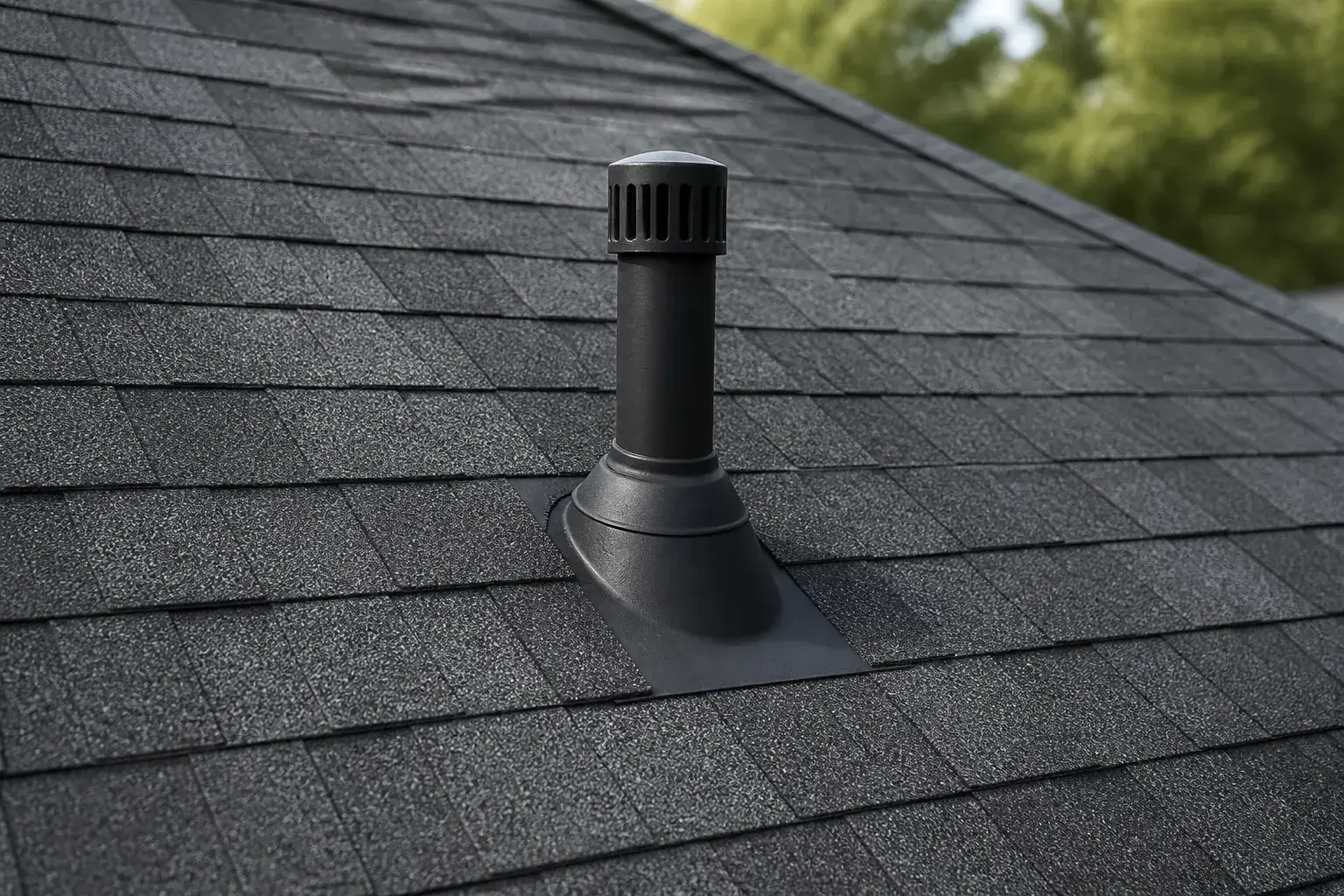
Leaks often show up in small ways first: a stain on the ceiling, a damp spot near an attic access, or shingles that no longer look flat and secure. Maybe you noticed granules in the gutter, a section of roof that looks lifted, or water showing up after a hard rain. When a roof starts giving you these signs, the next step is to have it checked before a minor issue turns into wider damage inside the home.
Ridgecrest Roofing Co handles roof repair for homeowners across Denver and the Front Range. Since 2009, we have helped with damaged shingles, flashing problems, leaks, and storm-related wear. If you are seeing signs that something is off, we can look at the roof, explain what is going on, and repair the problem with a written plan and a clean work area.
Warning signs
Some roofing problems are easy to miss until they start affecting ceilings, walls, or insulation. A careful look at the right warning signs can help you act before the damage grows.
- Interior staining: Brown rings, bubbling paint, or soft drywall can point to water getting past the roof covering.
- Visible shingle changes: Curling, cracking, lifting, or missing shingles can leave the roof exposed to more water intrusion.
- Loose flashing: Metal around chimneys, vents, and valleys can separate over time and create leak points.
- Granule loss: Finding dark grit in gutters or at downspouts can mean shingles are wearing down.
- Ceiling odors or moisture: A damp smell in the attic or upstairs rooms can signal hidden seepage.
If you notice one or more of these issues, it is worth getting the roof checked sooner rather than later. Small repairs are often simpler when the problem is caught early.
Common causes
Roof problems do not always start with a dramatic event. Many begin with normal wear, a small opening, or one weak area that gives water a path inward.
- Aged shingles: Over time, shingles can dry out, lose seal, and stop lying flat enough to protect the roof surface.
- Storm-related damage: Wind, hail, and debris can bruise shingles, loosen edges, or break protective seals.
- Flashing failures: The materials that seal joints and penetrations can wear out before the rest of the roof does.
- Previous patch work: A repair that was not sealed correctly can fail and allow the same leak to return.
- Blocked drainage paths: Water that cannot move off the roof properly may find weak points and work its way inside.
Ridgecrest Roofing Co looks for the source of the problem, not just the visible symptom. That matters because a ceiling stain may appear far from the real entry point on the roof.
How repair visits work
A good repair visit should give you a clear answer, not a guessing game. We keep the process straightforward so you know what needs attention and why.
1. Roof review
We inspect the affected areas and look for visible signs of damage, wear, and moisture intrusion. If the leak is not obvious, we trace likely entry points based on roof layout and problem patterns.
2. Repair plan
Once we understand the issue, we explain the repair approach in plain language. That may include replacing damaged shingles, fixing flashing, or sealing problem areas that are letting water through.
3. Work and cleanup
We complete the repair carefully and keep the job site clean while we work. A tidy site matters just as much as the repair itself, especially when people are still living in the home.
4. Final check
Before we wrap up, we confirm that the repair addresses the problem area and that the roof surface is left in solid shape. If there is anything else you should watch, we point it out clearly.
What we repair
Roof damage can show up in different ways depending on the roof type and the condition of the surrounding materials. The goal is to fix the issue in a way that makes sense for the roof, not to apply the same fix everywhere.
- Leak repair: We track down the source of active or recurring leaks and repair the problem area.
- Shingle repair: Damaged or missing shingles are replaced to restore protection where the roof cover has opened up.
- Flashing repair: We address loose or failed flashing around joints and roof penetrations.
- Storm damage repair: We correct damage from hail or wind that has loosened, cracked, or bruised roofing materials.
- Flat roof repair: We handle problem areas on flat roofing where seams, transitions, or surface wear have created openings.
If you are not sure which issue you have, that is fine. A visible stain, a missing shingle, or a damp attic spot can all point to the same underlying need for repair.
Why timing matters
A roof leak rarely stays in one place. Water can move through insulation, framing, and wall cavities before you ever see a drip, which makes the visible damage only part of the story.
The sooner a repair is handled, the better chance you have of limiting the spread. Waiting can turn a straightforward fix into broader material damage, higher cleanup needs, and more disruption inside the home. That is especially true after a storm, when small damage may not be obvious from the ground.
If you are comparing whether to patch an issue now or wait until it gets worse, the safer move is usually to have the roof checked. Even when the problem seems minor, getting a clear answer can save time and stress later.
Roof repair in Denver
Homeowners across Denver call Ridgecrest Roofing Co when a roof shows signs of wear, leak activity, or storm damage. We have been serving the area and the Front Range since 2009, and our work is focused on practical repairs that solve the issue without turning the visit into a drawn-out process.
You can expect local crews, straightforward communication, and a clean job site when the work is done. If the roof has damage that needs attention, we will explain what we found and what it will take to repair it properly.
Materials and roof types
Not every roof repair looks the same. The material on the home and the location of the damage both affect how the repair should be handled.
- Shingle roofs: Repairs may involve replacing missing or broken shingles and checking nearby pieces for looseness.
- Flat roofs: Small openings and seam issues need careful attention so water does not find the same path again.
- Areas around penetrations: Vents, skylights, and other roof openings need tight transitions because they are common leak points.
- Edges and valleys: These sections handle moving water and often show damage before the rest of the roof does.
The right repair is the one that fits the problem and blends with the rest of the roof as closely as possible.
Homeowner prep
A little preparation can make the visit smoother and help us get to the problem area faster.
- Clear access: Move vehicles or outdoor items if they block easy access to the roof area.
- Note symptoms: Write down when you first noticed the leak, stain, or visible damage.
- Share photos: Pictures of stains, shingles, or attic moisture can help identify the issue.
- Check the attic: If it is safe to do so, look for damp insulation, dark spots, or active dripping.
These details can help narrow down the source of the problem and speed up the repair process.
Common questions
How do I know if a leak is coming from the roof?
Interior stains, damp insulation, and moisture near ceiling lines are common clues, but the source is not always directly above the visible damage. A roof check can help locate where water is entering.
Can a small shingle problem really matter?
Yes. Even one damaged or missing shingle can expose the underlayers of the roof to water and wind. The sooner it is repaired, the less likely it is to spread.
What happens if flashing is the problem?
Flashing repairs focus on the weak joint or transition where materials meet. If that seal fails, water can move into areas that are not obvious from inside the home.
Do storm-related issues always look severe?
No. Some storm damage is subtle and may not be easy to spot from the ground. A roof can have bruised shingles, loosened edges, or lifted sections that are not immediately obvious.
Should I wait until the leak gets worse before calling?
It is better not to wait. Water intrusion tends to spread, and early repairs are usually simpler than dealing with damaged drywall, insulation, or framing.
What if I am not sure what type of roof repair I need?
That is common. We can inspect the visible problem area, identify the likely source, and explain the repair options in plain terms so you can decide what comes next.
How We Work
A Simple Roofing Process
Every project starts with a careful inspection and a clear explanation of what your roof needs.
Inspect the Roof
We review the roof surface, flashing, and trouble spots before recommending work.
Review Your Options
You get a clear explanation of the condition and the choices that fit your situation.
Complete the Work
We finish the project carefully and leave the site clean.
FAQ
Common Roofing Questions
If you have a question about your roof, send us a message and we will help you understand the next step.
How do I know if my roof needs repair or replacement?
An inspection is the best place to start. We look at the roof condition and explain which option makes more sense.
Can you help with storm damage?
Yes, we handle storm damage repair and can assess what needs attention after hail or wind.
Do you work on both shingle and flat roofs?
Yes, we provide shingle roofing and flat roofing services for the right property type and roof system.
What if I just need a leak fixed?
Leak repair is a common service, and we can help locate the problem and address it before it spreads.
Do you serve areas outside Denver?
Yes, we serve several nearby cities across the Front Range, including Aurora, Lakewood, Arvada, and more.

Ready to Talk Roofing
Tell us what is happening with your roof, and we will help you plan the right next step for repair, replacement, or inspection.