If a hailstorm just passed through your neighborhood, start by looking at the roof, not just the yard. Many homeowners expect obvious holes or missing shingles, but hail damage can be subtle at first. The sooner you check, the easier it is to decide whether you need repairs, an inspection, or help with an insurance claim.
What To Look For
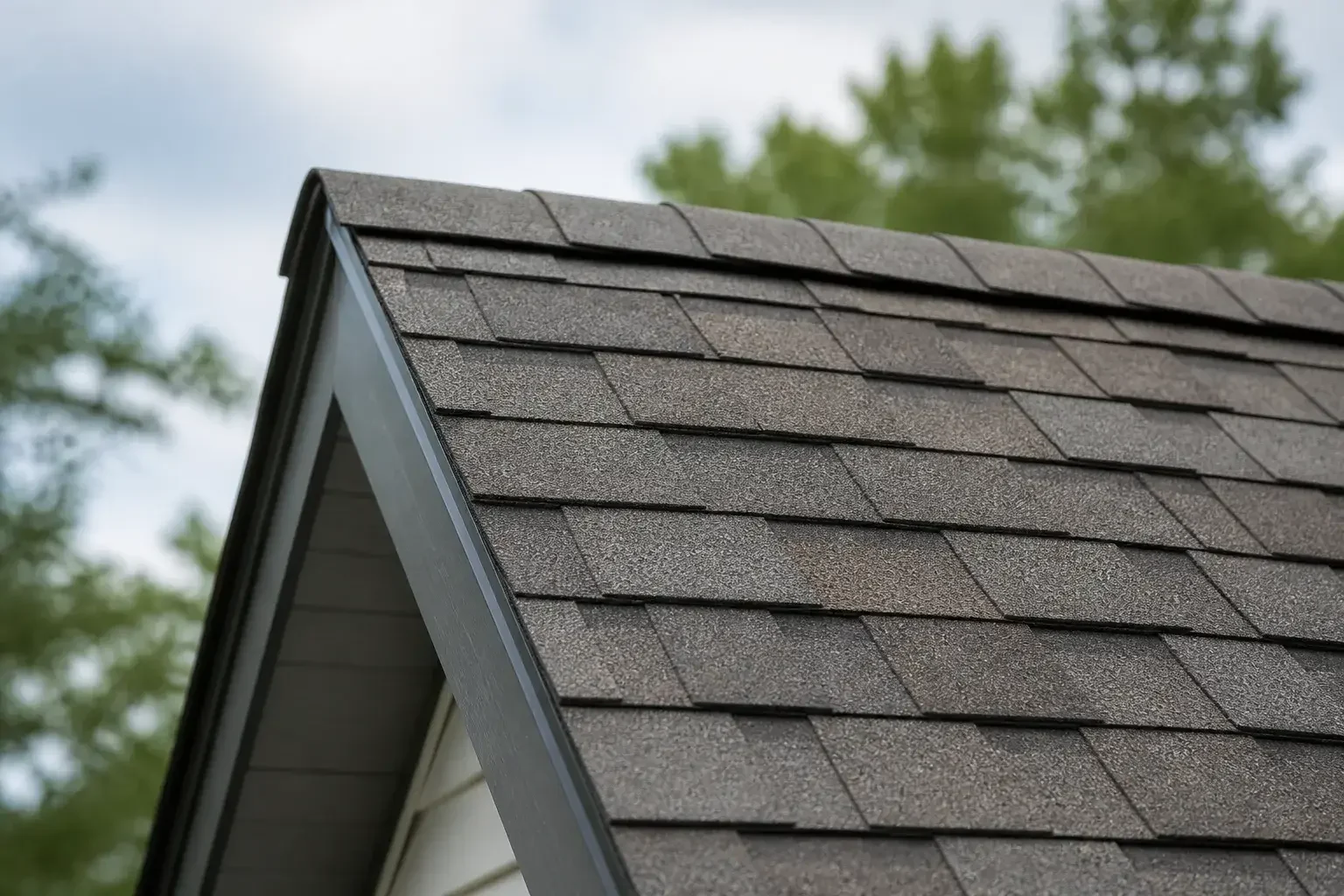
From the ground, check for broken shingles, shingles that look bruised or dented, loose pieces in the driveway, and granules collecting near downspouts. Look at metal vents, flashing, gutters, and downspouts too. Dents in those parts often show the storm was strong enough to affect the roof system.
Inside, look for fresh ceiling stains, damp attic insulation, or new water spots near vents and skylights. If you see any of those signs, the roof may have been compromised even if it still looks mostly intact from below.
Why Small Damage Matters
Hail can weaken shingles without creating an immediate leak. A roof might look fine after the storm, then start leaking during the next rain or snow melt. That is why waiting can be risky. What looks minor today can turn into a larger repair later if water gets under the surface.
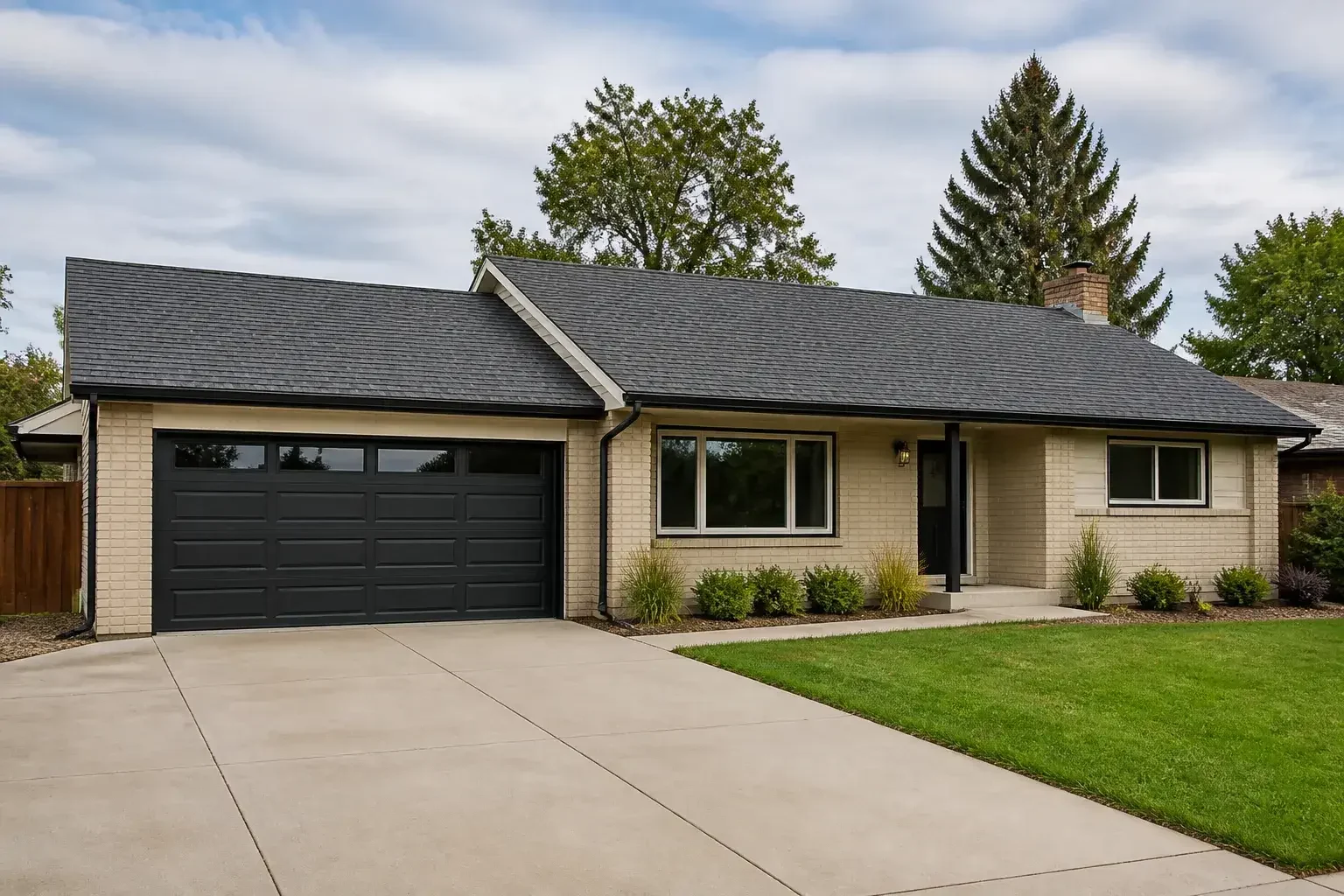
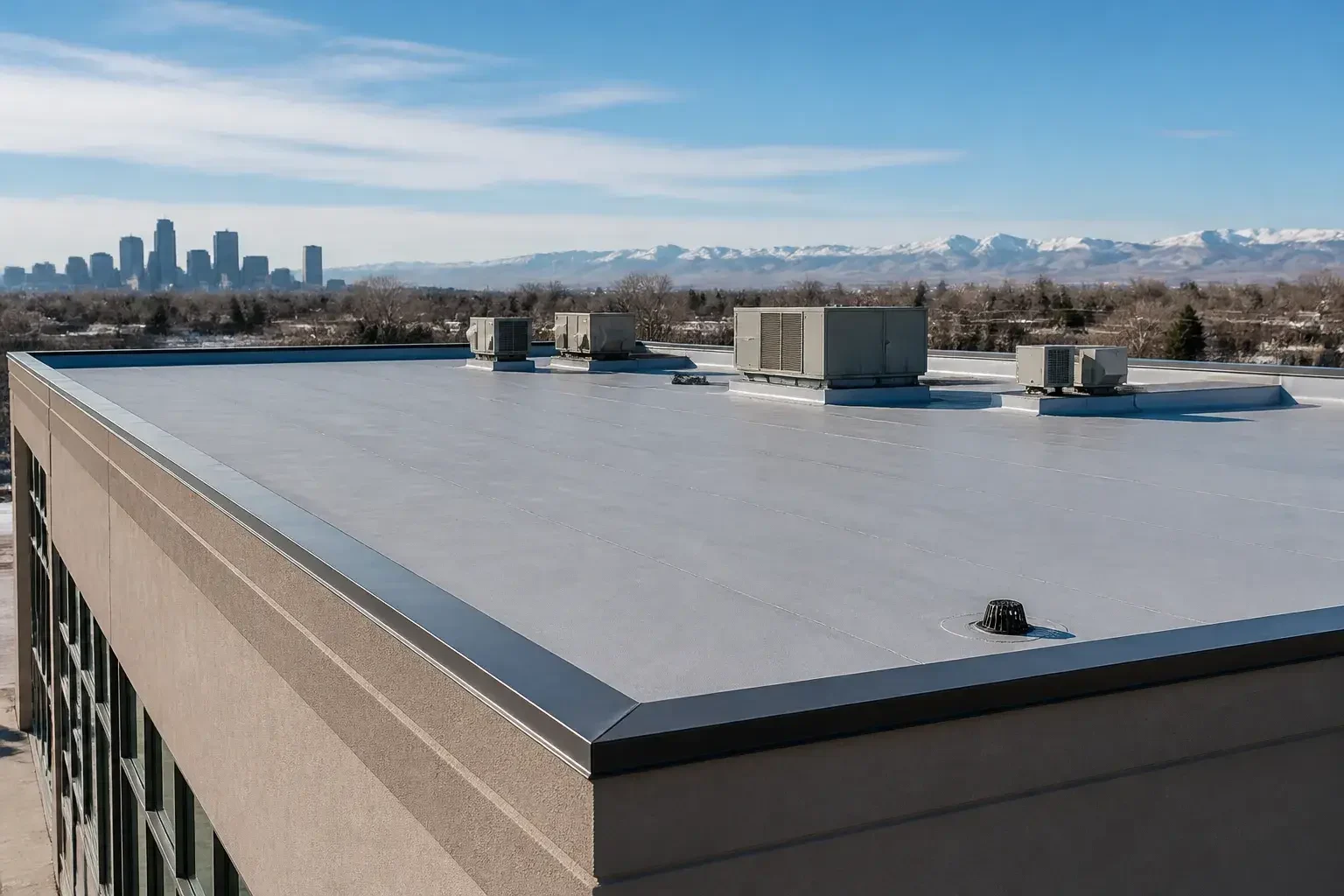
In neighborhoods across Denver and the Front Range, storms can hit hard and fast. Homeowners in Aurora, Lakewood, Arvada, Westminster, Thornton, Englewood, Centennial, and Littleton often deal with the same pattern: visible impact, then hidden damage that only a closer inspection reveals.
Your Next Step
If you suspect hail damage, schedule a roof inspection before you assume the roof is fine. A local contractor can help document what was hit, identify whether the damage is repairable, and explain whether a claim may be worth discussing. Ridgecrest Roofing Co helps homeowners sort out storm damage repair, roof repair, and roof replacement when hail has affected the roof.
Do not rely only on what you can see from the driveway. A careful inspection can protect the home, reduce guesswork, and give you a clearer path forward after the storm.