If you spot water on the ceiling or a damp stain in the attic, act fast. A roof leak often shows up far from the actual source, so the stain you see is usually only part of the problem. The goal is to limit damage now and find the real cause before it grows.
First Steps
Move anything valuable out of the wet area and place a bucket or pan under the drip. If water is pooling, try to relieve pressure by puncturing a bulging ceiling bubble with a small pin. That can reduce the chance of a bigger ceiling collapse. In the attic, look for wet insulation, dark wood, or daylight around roof penetrations if it is safe to do so.
Avoid climbing on the roof yourself, especially if it is wet or steep. From inside, you can note where the stain is, when it started, and whether it gets worse during wind or snow. Those details help a roofer narrow down the source faster.
Common Causes
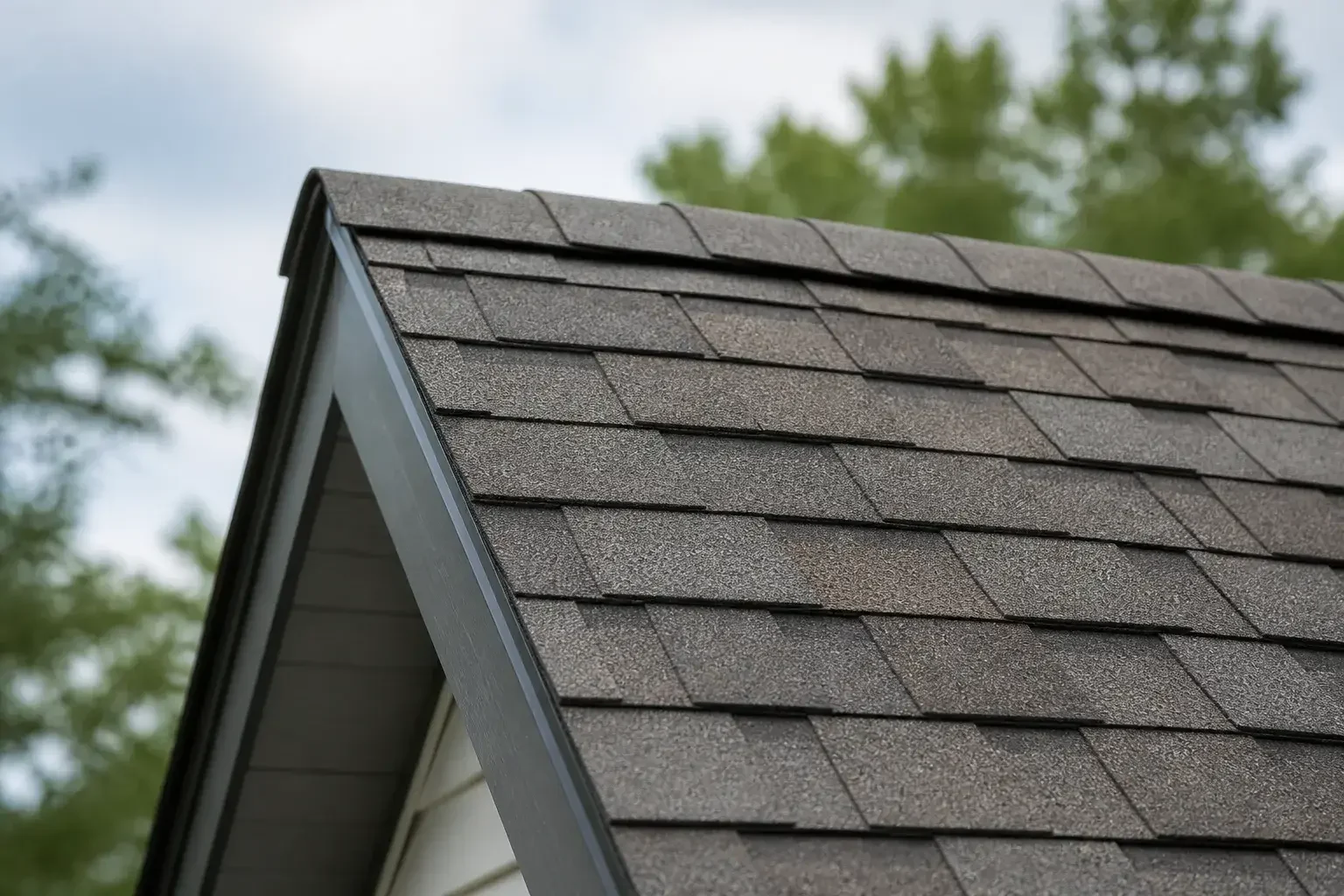
In Denver, leaks often start around aging shingles, cracked flashing, pipe boots, skylights, or valleys that collect snow and runoff. Hail and wind can loosen materials without causing a dramatic visible hole. Sometimes the issue is not the main field of the roof at all, but a failed seal at a vent or chimney.
A leak after a storm may also be the result of hidden impact damage. That is why a quick patch on the ceiling is not enough. The roof needs a close inspection above the stained area and around nearby roof details.
What Happens Next
A proper repair starts with a roof inspection that looks for the entry point, not just the indoor symptoms. Ridgecrest Roofing Co helps homeowners in Denver identify the cause, explain the repair options, and take care of leak repair before the damage spreads. If the roof is older or the leak is one of several, a replacement may be the better long-term fix.
If you act early, you can usually keep a small leak from turning into damaged insulation, stained drywall, or mold concerns. The key is simple: protect the inside, document what you see, and get the roof checked as soon as possible.